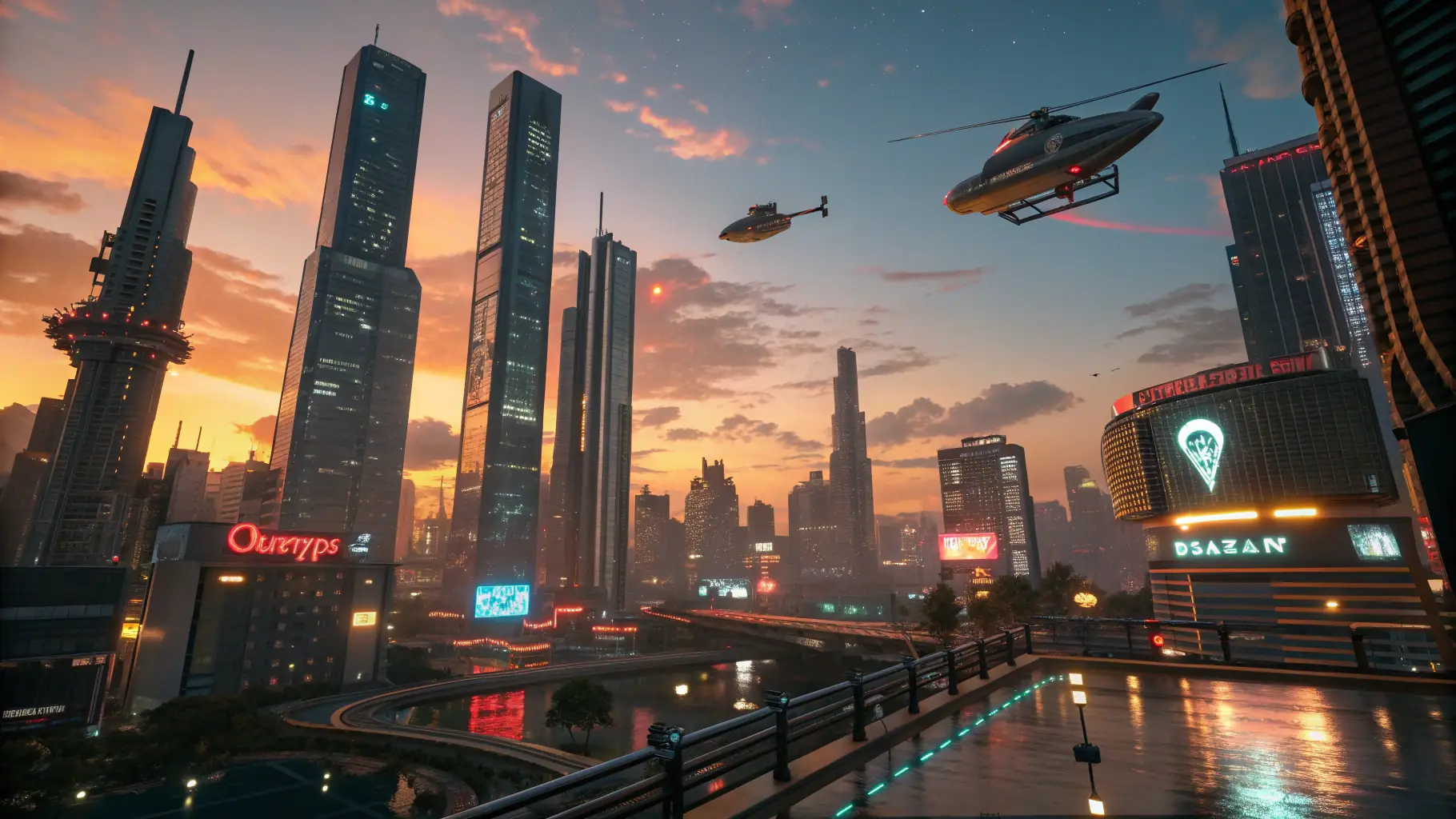
The integration of visual effects (VFX) into modern cinema has revolutionized storytelling, allowing filmmakers to bring fantastical worlds and impossible scenarios to life. From subtle enhancements to grand, sweeping spectacles, VFX plays a crucial role in shaping the audience’s experience. The evolution of VFX technology, from practical effects to computer-generated imagery (CGI), has expanded the creative possibilities for directors and artists alike. This transformation has not only impacted blockbuster films but also independent productions, enabling them to achieve a level of visual polish previously unattainable.
One of the most significant advancements in VFX is the development of motion capture technology, which allows actors’ performances to be translated into digital characters with remarkable accuracy. This technique has been instrumental in creating realistic and emotionally resonant performances from CGI characters. Furthermore, the refinement of rendering techniques has enabled VFX artists to create photorealistic environments and creatures that seamlessly blend with live-action footage. The result is a more immersive and believable cinematic experience for viewers.
However, the increasing reliance on VFX also raises questions about the balance between practical effects and CGI. While VFX can create stunning visuals, some argue that practical effects offer a tangible quality that CGI often lacks. The debate over the optimal blend of these techniques continues to shape the landscape of modern cinema. Ultimately, the most effective use of VFX is when it serves the story and enhances the emotional impact of the film, rather than simply being a spectacle for its own sake.